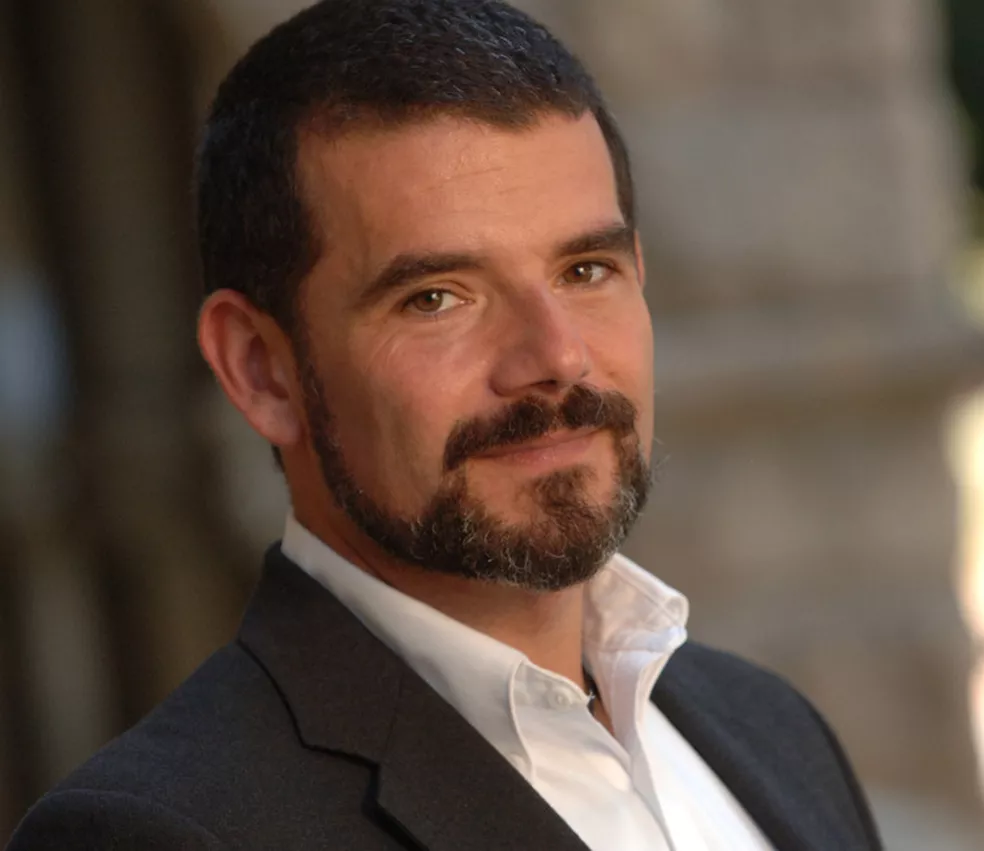
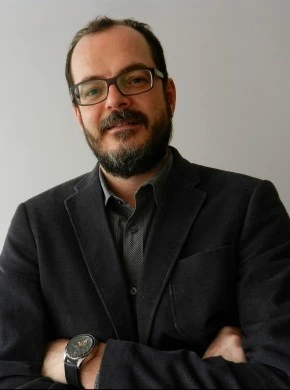
Dr. Benjamin Lessing is a leading scholar in the field of political violence and criminal governance in Latin America, working as Associate Professor of Political Science at the University of Chicago. He earned his Ph.D. in Political Science and M.A. in Economics from the University of California, Berkeley, and holds a B.A. in Economics and Philosophy from Kenyon College. At the University of Chicago, Lessing co-directs the Program on Political Violence (PPV) within the Chicago Project on Security and Threats (CPOST), where he leads the Criminal Governance in Latin America project.
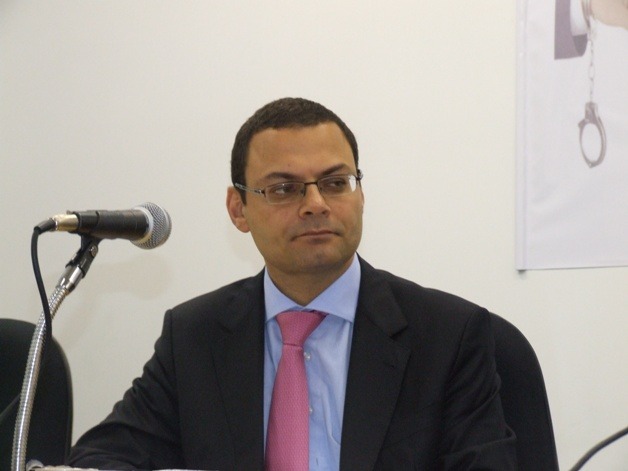
A prosecutor in the São Paulo Public Prosecutor’s Office, Bechara is a key figure in the fight against organized crime and systemic corruption in Brazil. With extensive experience in the Ministry of Public Prosecution, he has led strategic investigations on criminal factions, money laundering, and international legal cooperation. Holding a PhD in Law from USP, Bechara works on modernizing public security policies and enhancing financial intelligence to combat transnational crime.
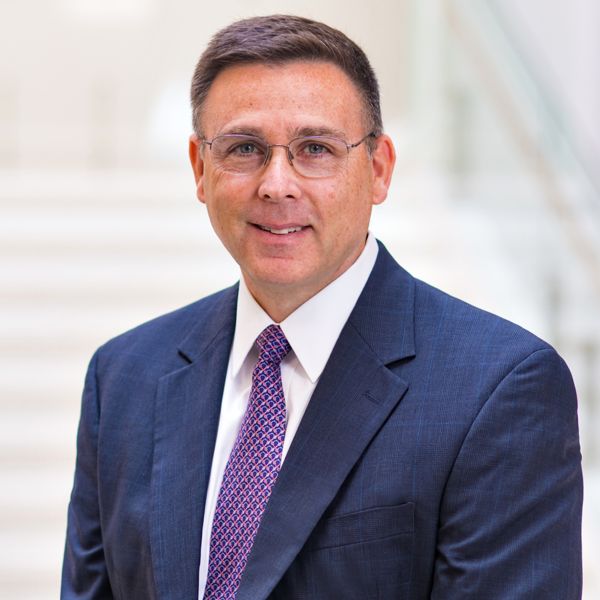
Professor Gary Corn is the Director of the Technology, Law & Security Program and an Adjunct Professor of Cyber and National Security Law and the Law of Armed Conflict at American University Washington College of Law. He is a recognized expert on the intersection of cyber and national security law and policy. Professor Corn joined TLS after serving twenty-six years on active duty in the U.S. Army as a military attorney practicing national security law at the highest levels within the Department of Defense. His final five years he served as the Staff Judge Advocate (General Counsel) to U.S.
Dr. Benjamin Lessing is a leading scholar in the field of political violence and criminal governance in Latin America, working as Associate Professor of Political Science at the University of Chicago. He earned his Ph.D. in Political Science and M.A. in Economics from the University of California, Berkeley, and holds a B.A. in Economics and Philosophy from Kenyon College. At the University of Chicago, Lessing co-directs the Program on Political Violence (PPV) within the Chicago Project on Security and Threats (CPOST), where he leads the Criminal Governance in Latin America project.
Gretchen Peters is an internationally recognized expert on transnational organized crime, cybercrime, and illicit finance. She is co-founder of the Alliance to Counter Crime Online (ACCO), which advocates for accountability and transparency in digital platforms. She has served as a subject-matter expert for the U.S. Department of Defense, supporting USCENTCOM and USSOCOM initiatives on transnational threats, and co-chaired the OECD Task Force on Environmental Crime and Wildlife Trafficking. Peters is widely regarded as a leading voice on the convergence of crime, terrorism, and digital insecurity.
Professor Lasmar holds a PhD in International Relations from the London School of Economics and Political Science (LSE). He is a leading expert in counterterrorism, violent extremism, and hybrid threats in Brazil. Lasmar co-founded and co-directs the Collaborative Research Network on Terrorism, Radicalization, and Transnational Crime (TRAC), and serves as the Legal Affairs Director at the International Association for Security and Intelligence Studies (INASIS). He is also the regional coordinator for Brazil at the Terrorism Research Initiative (TRI) and a member of the Commission for Professional Certification in the Prevention of Money Laundering and Terrorism Financing (CPLD-FT, IPLD). His work bridges academic research and policy development, contributing to international cooperation in security and defense.
Dr. Marco Aurélio Florêncio Filho is a distinguished Brazilian legal scholar specializing in economic criminal law, cybercrime, and compliance. He serves as a professor in the Graduate Program in Political and Economic Law at Mackenzie Presbyterian University in São Paulo. Dr. Florêncio Filho has authored and co-authored numerous publications on topics such as corporate criminal liability, anti-corruption compliance, and the legal challenges posed by emerging technologies. He has coordinated several academic events, including the International Seminar on State Management and Public Policies for Corruption Control. His work contributes significantly to the discourse on the intersection of criminal law and digital innovation.
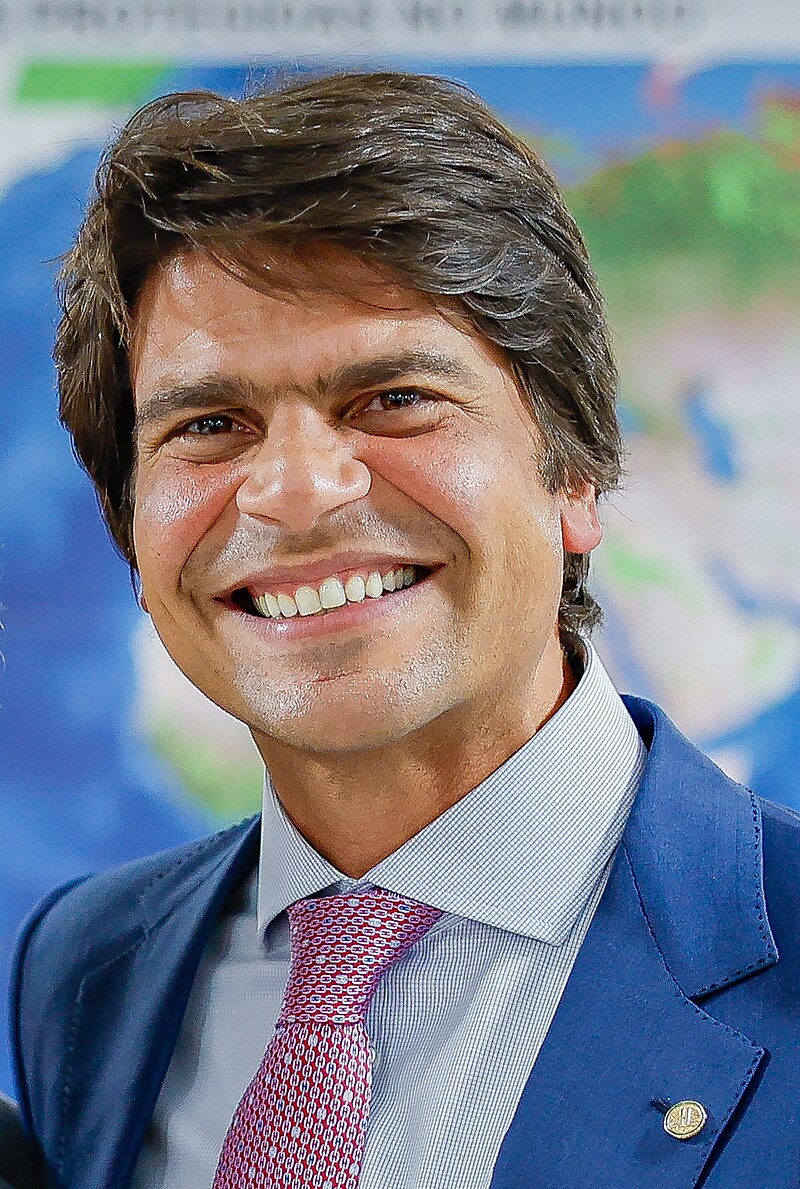
A federal representative from Rio de Janeiro, Pedro Paulo focuses on public security policies and urban development. He participates in discussions on security funding and the formulation of strategies to strengthen the criminal justice system.
Professor Singh is an Associate Professor in the graduate Program in International Relations at the Pontifical Catholic University of Minas Gerais (PUC Minas), Brazil. She holds a PhD in International Relations from the London School of Economics and Political Science (LSE). Dr. Singh is a leading expert in international terrorism, radicalization, and the crime-terror nexus, with over 20 years of experience focusing on the Middle East and South Asia. Her recent research extends to organized crime and security challenges in Latin America, particularly the Southern Cone. She co-founded and co-directs the Research Network on Terrorism, Radicalization, and Transnational Crime (TRAC) and coordinates the Laboratory for Research and Projects in International Relations at PUC Minas. . Her extensive work bridges academic research and policy development in counterterrorism and security studies.
Dr. Rodrigo R. Soares is a prominent Brazilian economist specializing in development economics, with a focus on public security, health, labor markets, and institutional development. He currently holds the Lemann Foundation Professorship of Economics and serves as Vice President of Academic Affairs at Insper, a leading research and teaching institution in São Paulo, Brazil. Previously, he was the Lemann Professor of Brazilian Public Policy and International and Public Affairs at Columbia University. His research encompasses a range of topics, including the impact of crime on economic development, the role of institutions in promoting security and growth, and the effectiveness of social policies. Dr. Soares has published extensively in leading academic journals such as the American Economic Review, Journal of Political Economy, and Review of Economic Studies.
A federal representative from São Paulo, Tábata Amaral focuses on education, security, and public policies for youth. Her work in the National Congress includes initiatives to strengthen governance and combat social inequality through education and public security measures.
Professor Will Freeman is a fellow for Latin America studies at the Council on Foreign Relations (CFR), where his work focuses on the rule of law, corruption, organized crime, and U.S.-Latin America relations. His research particularly emphasizes countries in the Andes region and Central America. Prior to joining CFR, Dr. Freeman was a Fulbright-Hays Scholar in Colombia, Peru, and Guatemala, where he researched judiciaries’ efforts to sanction grand corruption. During his graduate studies, he also worked with the Senate Foreign Relations Committee's Western Hemisphere subcommittee, contributing to the drafting of the bipartisan United States-Ecuador Partnership Act of 2022 and other legislative initiatives concerning Cuba, Venezuela, and Nicaragua. His writing has appeared in prominent publications such as Foreign Affairs, The New York Times, The Economist, The Washington Post, and Americas Quarterly, where he writes a monthly column.
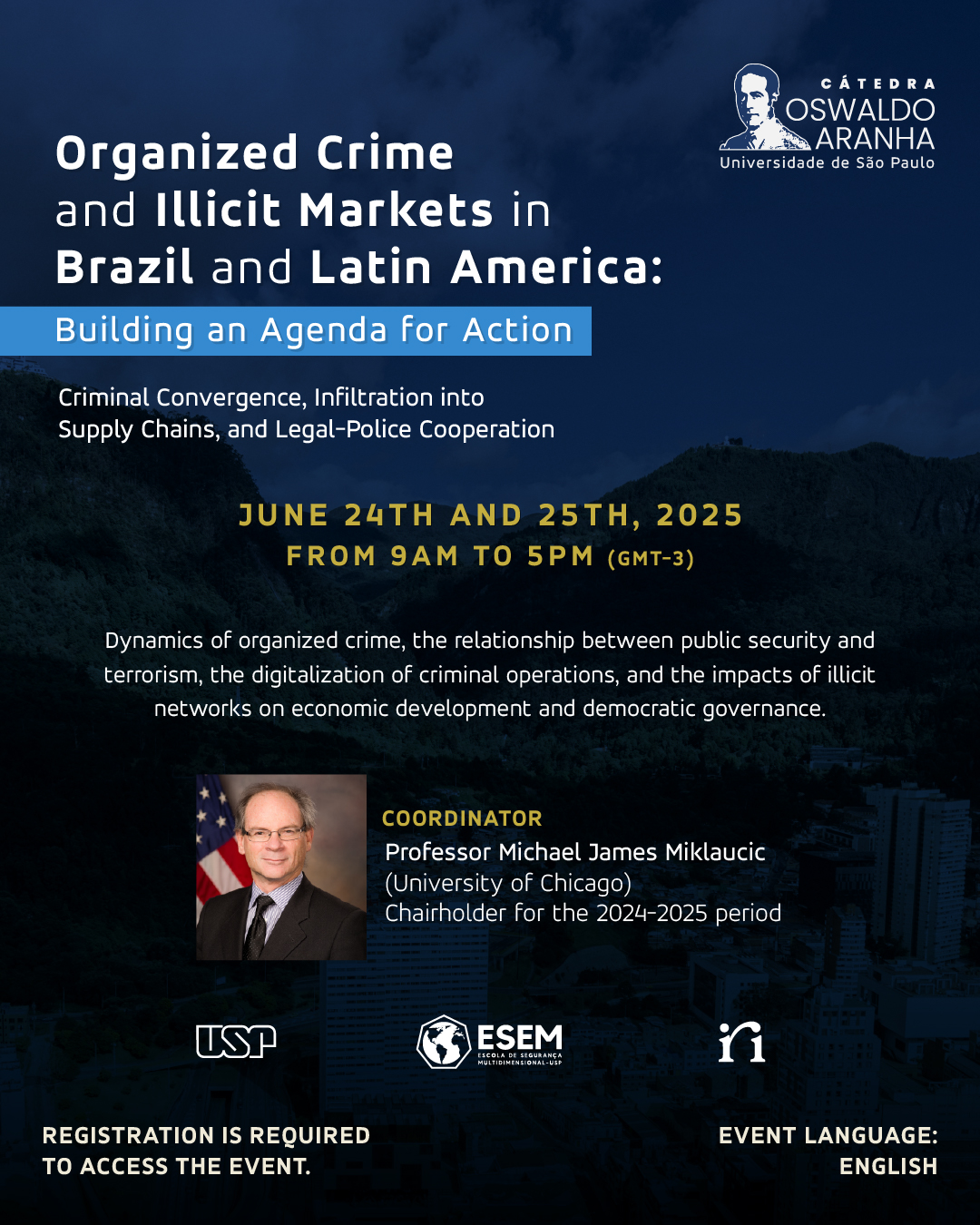
The School of Multidimensional Security (ESEM) is part of the Institute of International Relations (IRI) of the University of São Paulo (USP).