The Oswaldo Aranha Chair of Security and Defense (COA) was officially established at the University of São Paulo (USP) through Administrative Ordinance GR No. 8187, dated August 9, 2023. Housed at the Institute of International Relations (IRI-USP) and coordinated by the School of Multidimensional Security (ESEM-USP), the Chair serves as a hub for high-quality research in security and defense studies, with a particular focus on international cooperation.
Its primary mission is to analyze contemporary security and defense challenges and identify emerging threats and opportunities in public security and defense. The Chair also seeks to foster an open forum for dialogue among academics, criminal justice system operators, defense professionals, and private sector representatives, promoting interdisciplinary discussions on topics such as illicit markets, transnational organized crime, terrorism, and criminal insurgencies.

The Patron: Oswaldo Aranha
Oswaldo Aranha (1894–1960) was a key figure in Brazilian diplomacy, playing a decisive role in shaping Brazil's foreign policy during the mid-20th century. As Brazil's ambassador to the United States and later a prominent leader at the United Nations, Aranha was instrumental in strengthening Brazil’s international presence. One of his most significant contributions was his leadership in the creation of the State of Israel, as he presided over the Second General Assembly of the United Nations in 1947. His diplomatic legacy continues to inspire initiatives that promote international cooperation and global governance, making him a fitting namesake for this Chair.
About Professor Michael Miklaucic
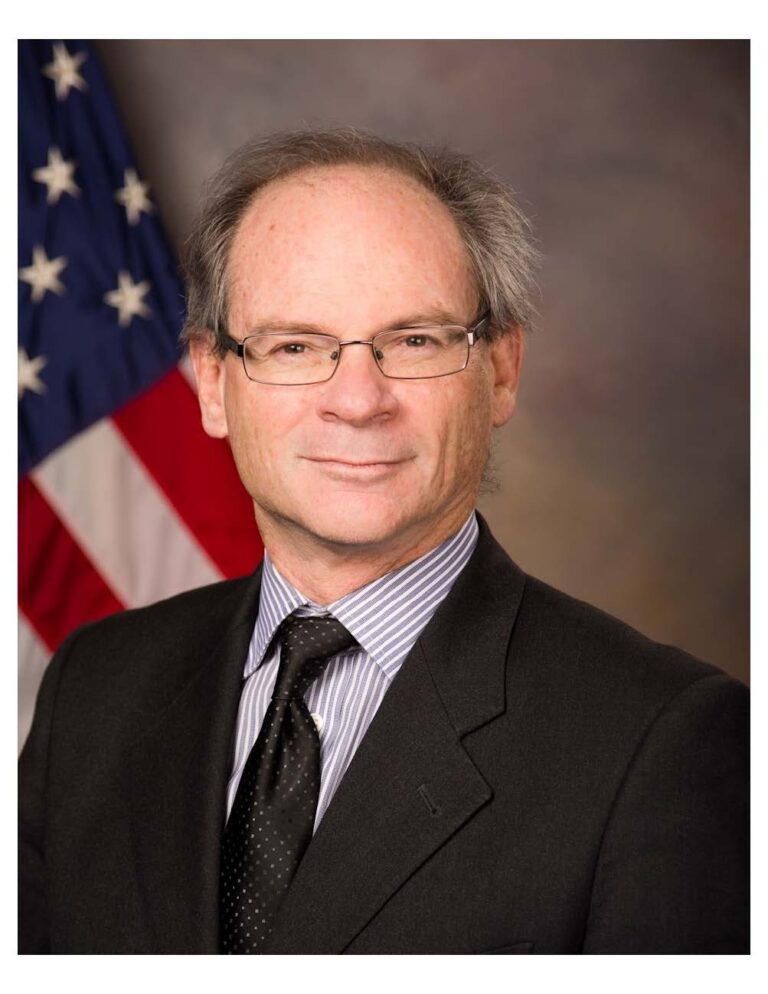
Professor Michael Miklaucic is a leading expert in international security and defense policy, specializing in gray zone conflicts, criminal convergence, and global governance. He is currently a lecturer at the Harris School of Public Policy at the University of Chicago and a senior fellow at the National Defense University (NDU) in Washington, D.C..
Until August 2024, he served as Editor-in-Chief of PRISM, PRISMNDU Press National Defense University Pressfocused on national and international security. Under his leadership, PRISM became a key platform for analysis and debate on contemporary security threats. His most influential works include the books: Convergence: Illicit Networks and National Security in the Age of Globalization (2013) and Beyond Convergence: A World Without Order (2017) (2017).
As the inaugural chairholder of the Oswaldo Aranha Chair, Professor Miklaucic will bring a comprehensive and analytical perspective to the security challenges facing the Americas, with a special emphasis on illicit markets, organized crime, and terrorism.
Membros conselho de coordenação da Cátedra Oswaldo Aranha de segurança e defesa
-
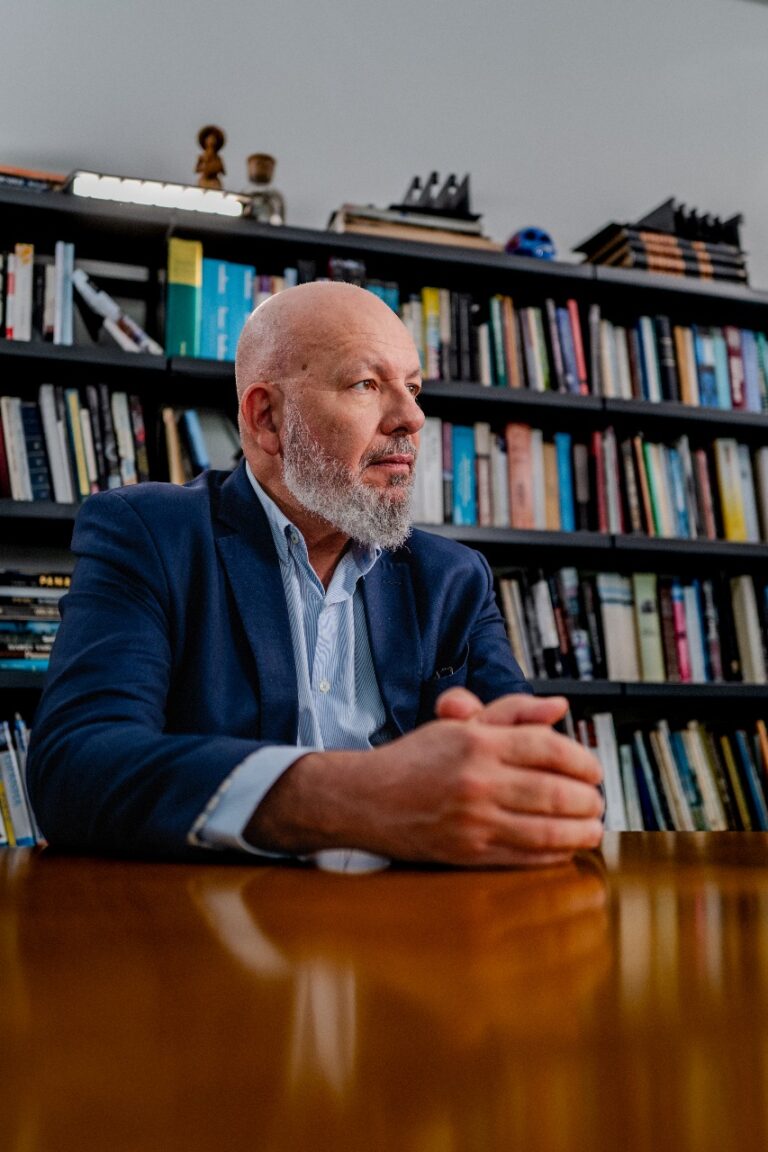
Leandro Piquet Carneiro
Professor at the Institute of International Relations at the University of São Paulo. He was previously a professor in the Department of Political Science at USP and a visiting researcher at the Taubman Center for State and Local Government at Harvard University's Kennedy School of Government (2007-2008). He is a member of the Council of the City of Rio de Janeiro and the Management Council of Public Security for the State of São Paulo. He served as coordinator of the Advisory Council of the Brasília Vida Segura Program (2017-2021) and was part of the Strategic Affairs Center of the São Paulo State government (2013-2014). He coordinates the School of Multidimensional Security (ESEM), a professional development program for security and defense sectors at the University of São Paulo.
-
Michael James Miklaucic
He is a Chair Professor at the Oswaldo Aranha Chair of Strategic Studies at the University of São Paulo (USP) and has extensive academic and professional experience in the fields of security, governance, and international conflicts. Currently, he is also a professor at the University of Chicago, an adjunct professor at the George C. Marshall European Center for Security Studies, and a Senior Fellow at the Irregular Warfare Center.
-
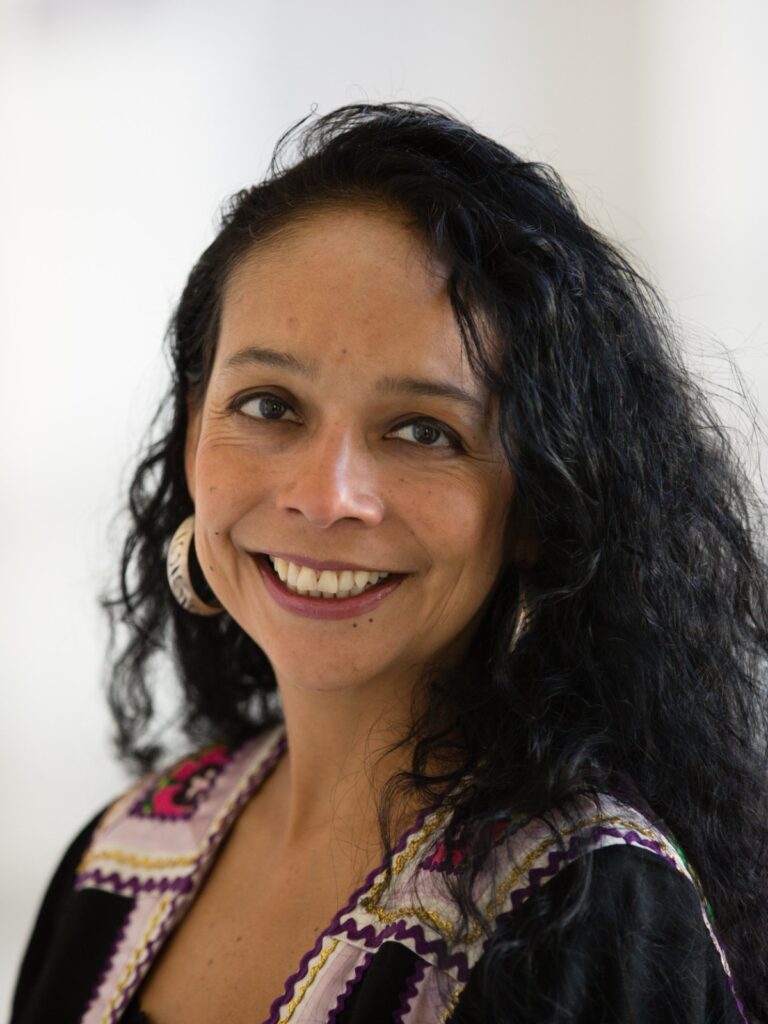
Guadalupe Correa-Cabrera
Professor at The A Schar School of Policy and GovernmentShe holds a Ph.D. in Political Science from New School for Social ResearchHer areas of expertise include Mexico-U.S. relations, organized crime, immigration/migration, border security, social movements, and human trafficking. She is the author of Los Zetas Inc.: Criminal Corporations, Energy, and Civil War in Mexico (University of Texas Press, 2017). She is also the co-editor (with Victor Konrad) of the volume North American Borders in Comparative Perspective (University of Arizona Press, 2020). Her two most recent books (co-authored with Dr. Tony Payan) are titled Las Cinco Vidas de Genaro García Luna (El Colegio de México, 2021) and La Guerra Improvisada: Los Años de Calderón y sus Consecuencias (Océano, 2021).
-
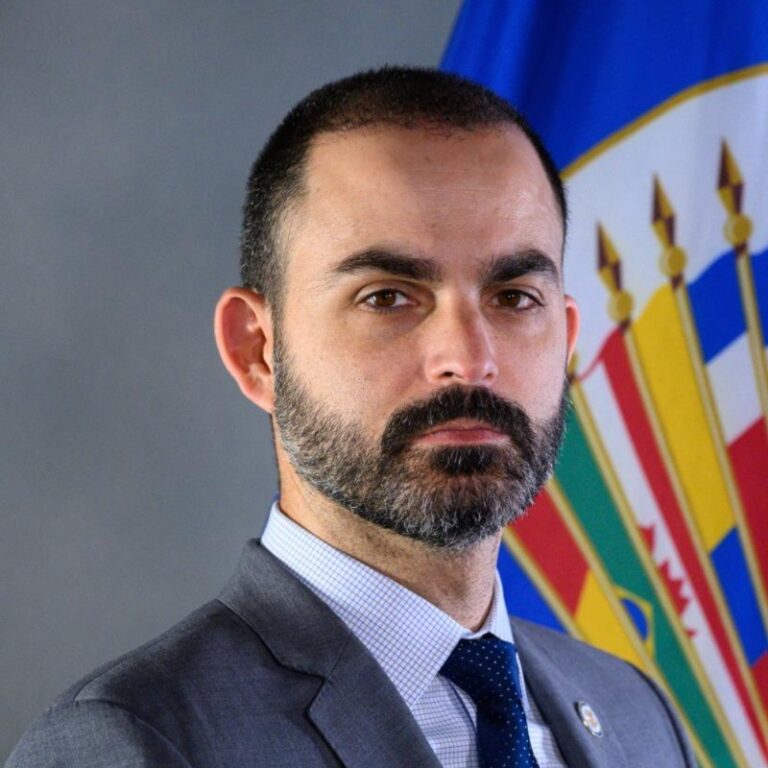
Ivan Marques
Researcher in policies for reducing armed violence and human rights. He holds a law degree from PUC-SP and a master's degree in International Relations from Unicamp, as well as a master's degree in Human Rights from London School of Economics and Political Science, in England. He held positions such as Coordinator of the Participatory Budget of the São Paulo City Hall and General Coordinator of the National Program for the Protection of Human Rights Defenders at the Ministry of Human Rights of the federal government. He also worked as a consultant for the United Nations on issues related to international arms trafficking, ammunition control, and promoting gender equity in discussions on small arms policy. Currently, he serves as the Executive Director of the International Action Network on Small Arms (IANSA), an organization that coordinates civil society participation in United Nations forums for the control of small arms and light weapons.
-
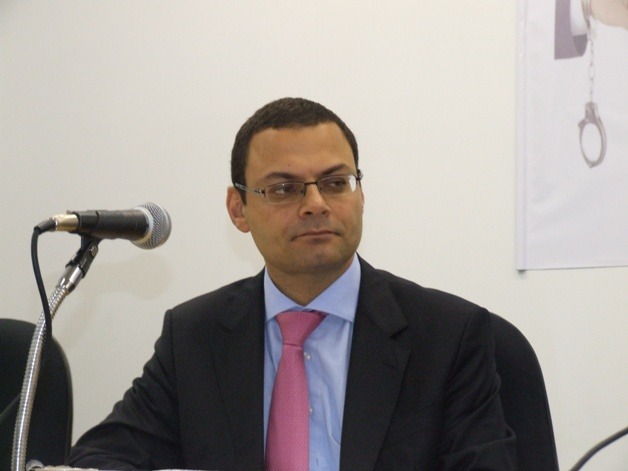
Fabio Bechara
Public Prosecutor for the State of São Paulo and Member of the ESEM Council. He holds a Ph.D. in Criminal Procedural Law from USP. He is a professor in the Undergraduate and Postgraduate programs in Political and Economic Law at the Mackenzie Presbyterian University Law School and at the School of the Public Prosecutor's Office of the State of São Paulo. He is a member of GACINT – International Current Affairs Analysis Group at the University of São Paulo and Executive Secretary of the Office of the Attorney General of Justice.
-
Marislei Nishijima
Associate Professor at the Institute of International Relations at the University of São Paulo. She holds a degree in Economics from the University of São Paulo (1993), a master's degree in Economics from the State University of Campinas (1998), a Ph.D. in Economic Theory from the University of São Paulo (2003), and a postdoctoral degree from the University of São Paulo (2010). She was a visiting researcher at Boston University in 2014/2015. Her research primarily focuses on applied economic theory (microeconometrics), health economics, and information goods.

-
Kai Enno Lehmann
Associate Professor at the Institute of International Relations at the University of São Paulo (IRI-USP) in Brazil, Dr. Lehmann has previously held positions at the Pontifical Catholic University, Rio de Janeiro (PUC-Rio), and the University of Liverpool in England, where he earned his PhD in International Relations. Dr. Lehmann's research focuses on crises and the response of multilateral institutions to them, with a particular emphasis on Europe and Latin America, as well as the application of Complexity Theory to broadly defined international politics. He is regularly interviewed by a variety of Brazilian and international media outlets and provides consulting work for the Bertelsmann Foundation, among others.

-
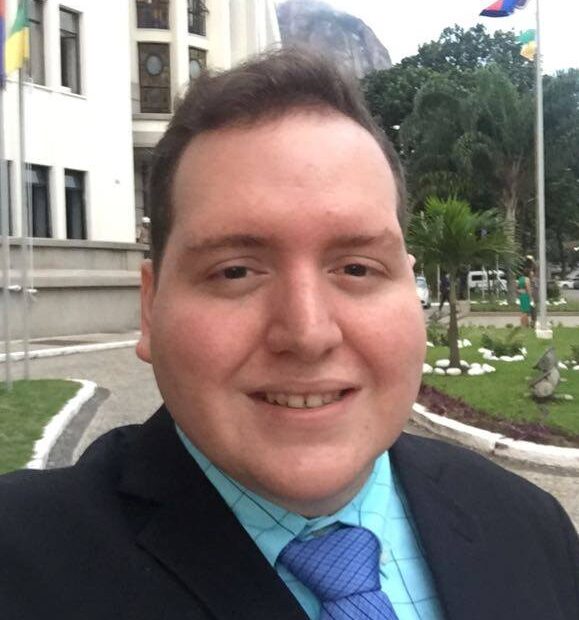
Adriano Rosas
He is an associate researcher at the School of Multidimensional Security (ESEM) at the University of São Paulo and serves as the Executive Secretary of the Oswaldo Aranha Chair of Security and Defense (COA-USP). In this role, he coordinates operational activities alongside other collaborating researchers. He is currently pursuing a Ph.D. in International Relations at the Institute of International Relations at USP (IRI-USP), focusing on topics related to Grand Corruption, Transnational Organized Crime, and State Capacity.
Visão Geral do Ciclo 2026-2027
O ciclo 2026–2027 da Cátedra Oswaldo Aranha de Segurança e Defesa é realizado com o apoio da Philip Morris International. As atividades da Cátedra são desenvolvidas com autonomia acadêmica, com o propósito de produzir conhecimento, promover diálogo qualificado e contribuir para o debate público sobre os desafios contemporâneos da segurança e defesa.
O ciclo será dedicado ao estudo das transformações do crime organizado transnacional e de sua crescente capacidade de combinar dominação territorial, economias ilícitas, fluxos financeiros clandestinos, tecnologias digitais e inserção em mercados formais e regulados.
Nas Américas, as redes criminosas atuam em atividades como tráfico de drogas e armas, contrabando, comércio ilícito de bens, exploração ilegal de recursos naturais, mineração ilegal, crimes cibernéticos e lavagem de capitais. Essas dinâmicas afetam a integridade de mercados, instituições públicas, comunidades e infraestruturas estratégicas, além de atravessarem fronteiras e desafiarem as capacidades convencionais de prevenção, investigação e controle.
Em 2026, a Cátedra concentrará esforços na análise dessas dinâmicas: os mecanismos de infiltração e captura de mercados, as conexões entre economias lícitas e ilícitas, os fluxos financeiros que sustentam redes criminosas e as formas pelas quais o crime organizado exerce influência territorial, econômica e política.
Em 2027, sem abandonar o diagnóstico, o foco estará nas respostas. A Cátedra buscará identificar, discutir e sistematizar políticas, práticas institucionais e experiências de cooperação que tenham produzido resultados relevantes no enfrentamento aos mercados ilegais e ao crime organizado na região. Serão examinadas iniciativas voltadas à prevenção, à proteção de mercados regulados e infraestruturas críticas, ao combate à lavagem de ativos, ao aperfeiçoamento da inteligência e investigação financeira, ao controle de fronteiras e à cooperação entre instituições e países.
Objetivos do Ciclo 2026-2027
Oferta de disciplina de Pós-Graduação:
A Cátedra oferecerá disciplina de pós-graduação na Universidade de São Paulo, dedicada ao estudo do crime organizado transnacional, das economias ilícitas e de sua infiltração em mercados formais e regulados. A disciplina abordará tanto a estrutura e a evolução das redes criminosas quanto às estratégias de prevenção e enfrentamento desenvolvidas em diferentes contextos. Entre os temas de interesse estarão a lavagem de ativos, a segurança portuária e de fronteiras, os crimes cibernéticos, as economias ilícitas na Amazônia, a proteção de infraestruturas estratégicas, a cooperação internacional e o fortalecimento de capacidades institucionais.
Produção de Livro:
A Cátedra supervisionará a produção de livro coletivo com contribuições dos palestrantes do seminário internacional de cada ano. os capítulos tratam de temas atuais e correntes nos debates acadêmicos e de políticas públicas sobre segurança, defesa e cooperação em segurança a nível doméstico e internacional.
Seminários e Atividades Acadêmicas:
A Cátedra realizará seminários, mesas de debate e outras atividades acadêmicas que aproximem pesquisadores, estudantes, representantes do poder público, sistema de justiça, setor privado e organizações internacionais. Em 2026, as atividades enfatizam a compreensão das novas dinâmicas do crime organizado e de sua presença em economias lícitas e ilícitas. Em 2027, os encontros priorizaram o debate sobre respostas efetivas: experiências comparadas, práticas promissoras, obstáculos à implementação, mecanismos de cooperação e possibilidades de adaptação de políticas ao contexto brasileiro e latino-americano.